




Almost two weeks ago, U.S. voters shifted control of both the House of Representatives and the Senate to the Democratic Party, reshaping the balance of power in Washington.
As markets continue to digest the implications of this political change, investor attention is already turning back to another key driver of market performance: the Federal Reserve's (Fed) next interest rate decision.
While election outcomes often dominate headlines, history has shown that long-term market performance is driven more by economic fundamentals, corporate earnings, and monetary policy than by politics alone. Despite recent volatility, we continue to believe that the U.S. economy and equity markets have room to grow, supported by underlying fundamental and macroeconomic trends.
Today, investors are evaluating a combination of resilient economic growth, persistent inflation pressures, and the ongoing wave of investment in artificial intelligence (AI). Together, these factors are likely to play a much larger role in shaping market returns over the coming months than election headlines alone.
AI is here to stay
One of the most significant themes remains the ongoing expansion of artificial intelligence. Investment related to AI continues to accelerate, supporting demand for semiconductors, cloud computing, data centers, energy infrastructure, and advanced networking technologies. Many of the largest technology companies are committing substantial capital to AI development, reflecting expectations that artificial intelligence will drive productivity gains and create new business opportunities for years to come. As a result, AI has become an important contributor to corporate earnings growth and overall market performance.
Strong and resilient fundamentals
At the same time, the U.S. economy has shown remarkable resilience. Economic growth remains positive, consumer spending has been relatively healthy, and the labor market continues to demonstrate strength. However, inflation remains a key concern for policymakers. While inflation has moderated from its peak levels, progress toward the Fed's long-term target of 2% has been uneven, leading the Fed to maintain a cautious approach when considering future interest rate moves.
What will the Fed do?
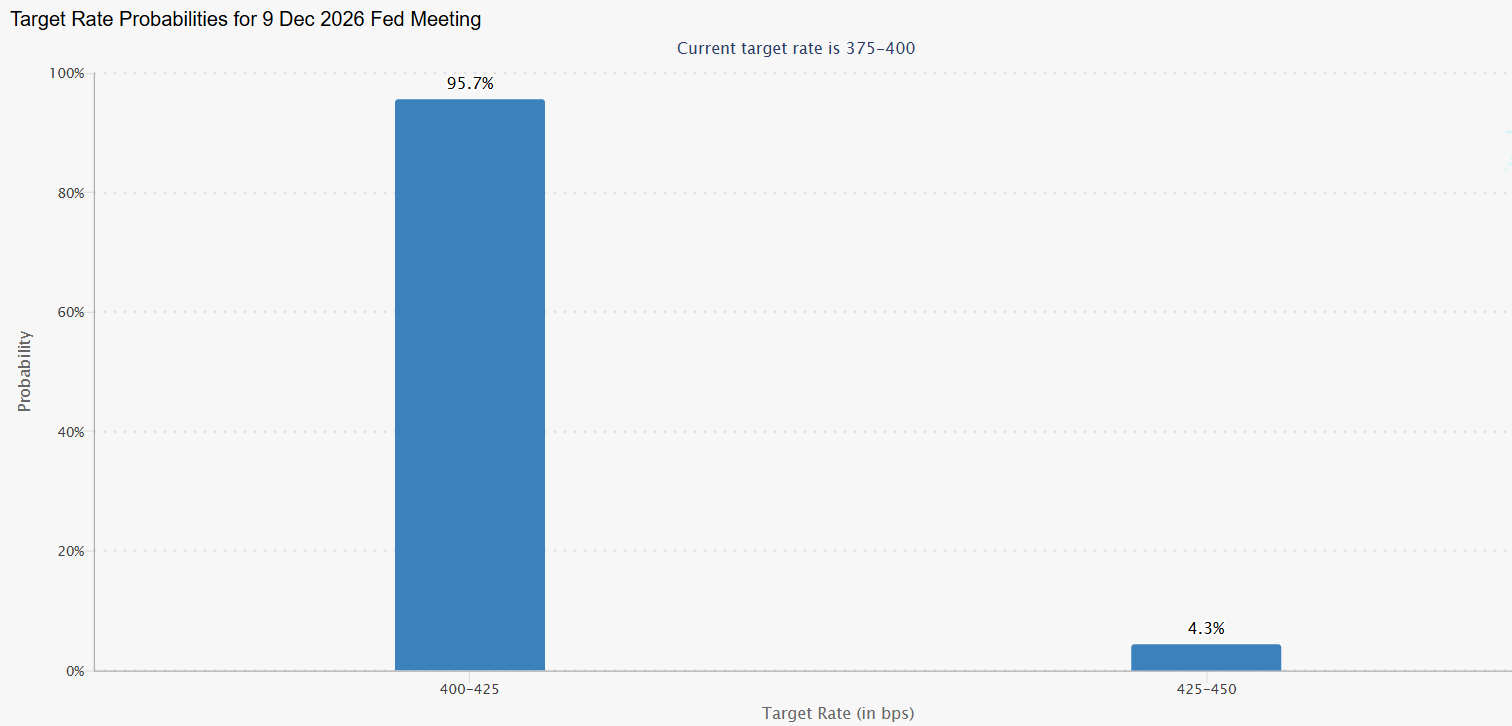
This creates an important balancing act for the Fed. On one hand, lower interest rates could help support economic growth and financial conditions. On the other hand, policymakers want to ensure inflation pressures are sustainably under control before easing policy too aggressively. As a result, investors are closely monitoring economic data, including employment reports, inflation readings, and consumer spending trends, for clues regarding the timing and pace of future rate adjustments. Right now, market participants are expecting the Fed funds rate to increase by 0.25% after the policymaker’s December meeting.
Bottom Line
Market volatility often increases during periods when investors are reassessing policy expectations, whether those expectations relate to elections or the Fed. However, history has consistently shown that attempting to make investment decisions based on short-term political or economic developments can be challenging and often counterproductive. Instead, maintaining a disciplined investment approach focused on diversification, risk management, and long-term objectives remains one of the most effective strategies for navigating uncertain market environments.
As always, we will continue to monitor new developments and look for opportunities while managing risk within client portfolios. If you have any questions about the markets or your financial plan, please do not hesitate to reach out.
Read the full commentary: AI, Elections, and the Fed's Next Move